Security

Security is a top priority for our website, and we have designed our blog page with a robust, multi-layered approach to safeguard your information and ensure a seamless, protected experience. We employ advanced encryption standards such as SSL/TLS protocols to secure data transmission and protect against potential breaches. Our state-of-the-art secure servers are regularly monitored by a dedicated team of cybersecurity experts who proactively identify and address vulnerabilities before they can be exploited. In addition to technical defenses, we enforce strict access controls, conduct routine security audits, and implement multi-factor authentication methods to keep unauthorized access at bay. Our commitment to staying current with the latest cybersecurity practices means that we continuously update our systems to combat emerging threats like malware, phishing, and data breaches. Transparency is key to our approach, and we prioritize clear communication about our security measures while actively seeking feedback from our users. By fostering a secure digital environment, we not only protect your personal data but also ensure that your interactions with our content remain private and trustworthy. Your safety and trust are foundational to our community, and we remain dedicated to maintaining the highest standards of security across every element of our blog..
UK Logistics Firm Pumps Sh4bn Into Warehouse With New Strategies
A leading UK logistics firm has made headlines with its groundbreaking investment of Sh4 billion into a state-of-the-art warehouse facility, signaling a bold new chapter in its growth strategy. This significant move not only highlights the company’s commitment to expanding its operational capacity but also showcases its forward-thinking approach in embracing advanced supply chain solutions. The investment is set to revolutionize logistics efficiency through automation, cutting-edge inventory management systems, and enhanced distribution capabilities. By strategically positioning the warehouse to streamline regional and global operations, the firm aims to meet the increasing demand for faster, more reliable delivery services. This development also reflects a broader trend within the logistics industry—where innovation, sustainability, and scalability are becoming essential pillars for long-term success. With this investment, the firm positions itself at the forefront of logistics transformation, reinforcing its role as a key player in driving economic growth and setting new standards in service delivery across the industry.
Tools To Help Reduce Freight’s Climate Impact Coming To The New Market

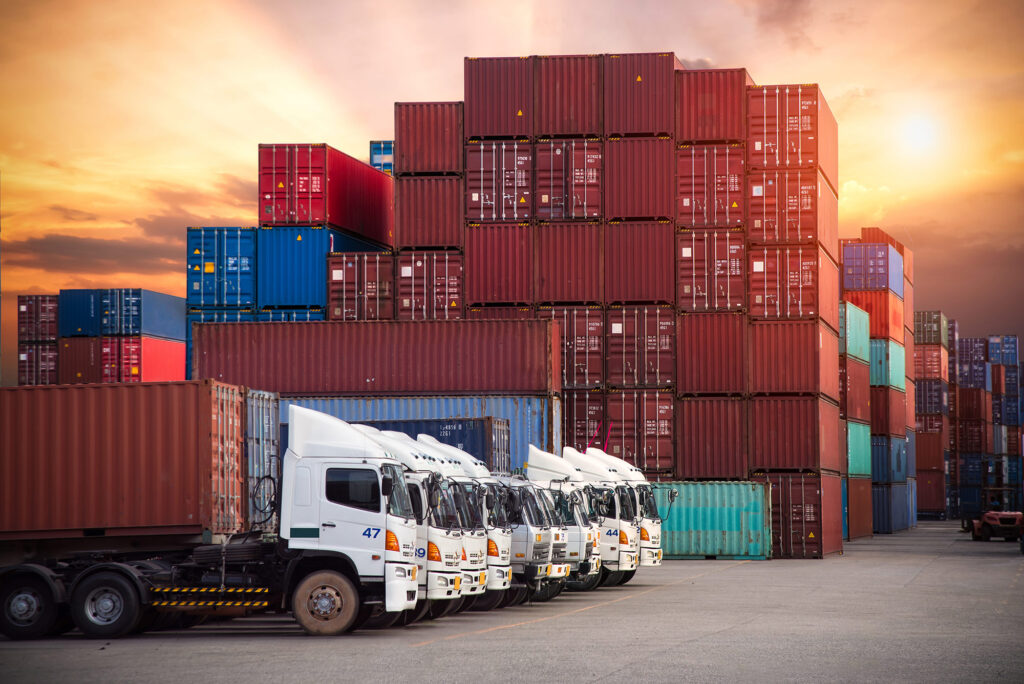
The freight and logistics industry is expanding rapidly, especially in new and developing markets. With this growth comes an urgent need to reduce the environmental impact caused by transporting goods over long distances. Fortunately, new tools and technologies are becoming available to help reduce freight’s climate impact—and they’re beginning to enter these new markets.
One major change is the introduction of cleaner vehicles. Electric trucks and hybrid models are now being used to replace traditional diesel-powered vehicles. These alternatives help cut down harmful emissions and make transportation more eco-friendly. For markets just beginning to build or expand their logistics systems, adopting these cleaner vehicles early offers a chance to create a more sustainable foundation.
Technology is also playing a key role in reducing freight emissions. Route optimization software helps drivers take the most efficient paths, saving time and reducing fuel use. This means fewer emissions and better overall performance. In addition, load management tools help companies make better use of space in their trucks. By packing goods more efficiently, fewer trips are needed, which leads to less fuel consumption and lower emissions
Logistics Firm Agrees $13.9m Property Deal In A Big Profile case
A major move has just made waves in the logistics industry as a well-known logistics firm finalised a £9.9 million property deal, marking one of the most high-profile cases in recent months. This significant investment highlights the company’s bold strategy for expansion and growth, reinforcing its position in a competitive and fast-evolving market.
The property acquisition is more than just a financial milestone—it represents the firm’s confidence in long-term demand for high-quality logistics infrastructure. As supply chains continue to evolve and e-commerce drives higher expectations for delivery speed and efficiency, the demand for well-located, state-of-the-art logistics spaces has soared. This deal secures a strategic location that is expected to enhance the firm’s operational capacity and improve service reach both regionally and nationally.
Industry experts are calling this one of the standout property moves of the year, not only because of the size of the deal but also due to its potential to shift market dynamics. The facility tied to this deal is believed to offer top-tier warehousing capabilities, including advanced automation potential, modern loading systems, and strong connectivity to key transport routes.

Smart Warehousing: How AI and Automation Are Transforming Logistics Operations

As global demand for faster, more accurate, and cost-effective delivery continues to grow, the logistics industry is undergoing a major transformation—and at the center of it all is the rise of smart warehousing. Powered by artificial intelligence (AI), machine learning, and automation technologies, today’s warehouses are evolving into highly efficient, data-driven environments that go far beyond traditional storage facilities.
In this blog post, we explore how AI and automation are being integrated into everyday logistics operations to boost performance and reduce errors. From robotic picking systems and automated guided vehicles (AGVs) to smart sensors and real-time inventory tracking, these tools are not only increasing operational speed but also allowing companies to scale with greater flexibility. AI-powered forecasting helps businesses predict demand more accurately, while automated systems ensure faster order fulfillment with minimal human intervention.
Smart warehousing also plays a crucial role in improving worker safety, reducing labor costs, and enabling 24/7 operations—all essential benefits in today’s highly competitive logistics landscape.
The Rise of Last-Mile Delivery Hubs: Bringing Logistics Closer to the Customer
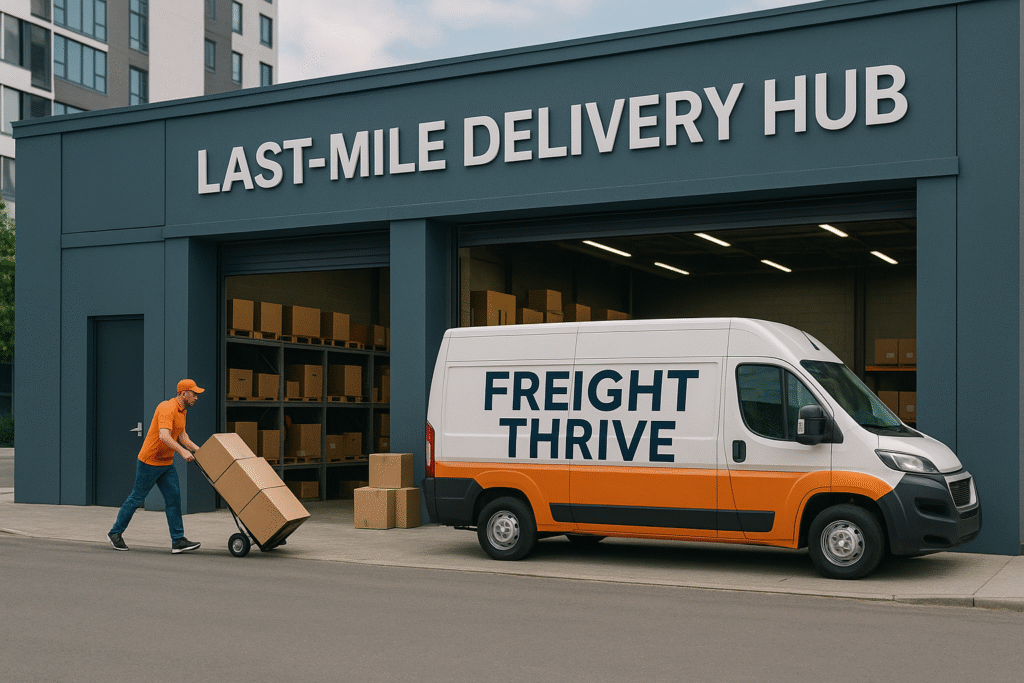
The logistics industry is changing fast, and one of the biggest shifts is happening in the last mile—the final stretch between a distribution center and the customer’s doorstep. As online shopping grows and same-day delivery becomes the norm, logistics companies are creating last-mile delivery hubs to keep up with rising consumer demands. These small, local facilities are strategically placed near high-demand areas to speed up deliveries, reduce transportation costs, and increase overall efficiency.
This blog post dives into how last-mile delivery hubs are helping companies move closer to their customers—literally and strategically. It covers how these hubs improve delivery speed, reduce environmental impact, and support scalable urban logistics. From repurposing retail spaces into micro-fulfillment centers to using AI and route optimization software, the post explores the innovations making last-mile logistics smarter and more effective. Readers will also learn how businesses are adapting their supply chains to meet the new standards of convenience and speed that today’s shoppers expect.